


Most Popular Products
|

 Send Inquiry
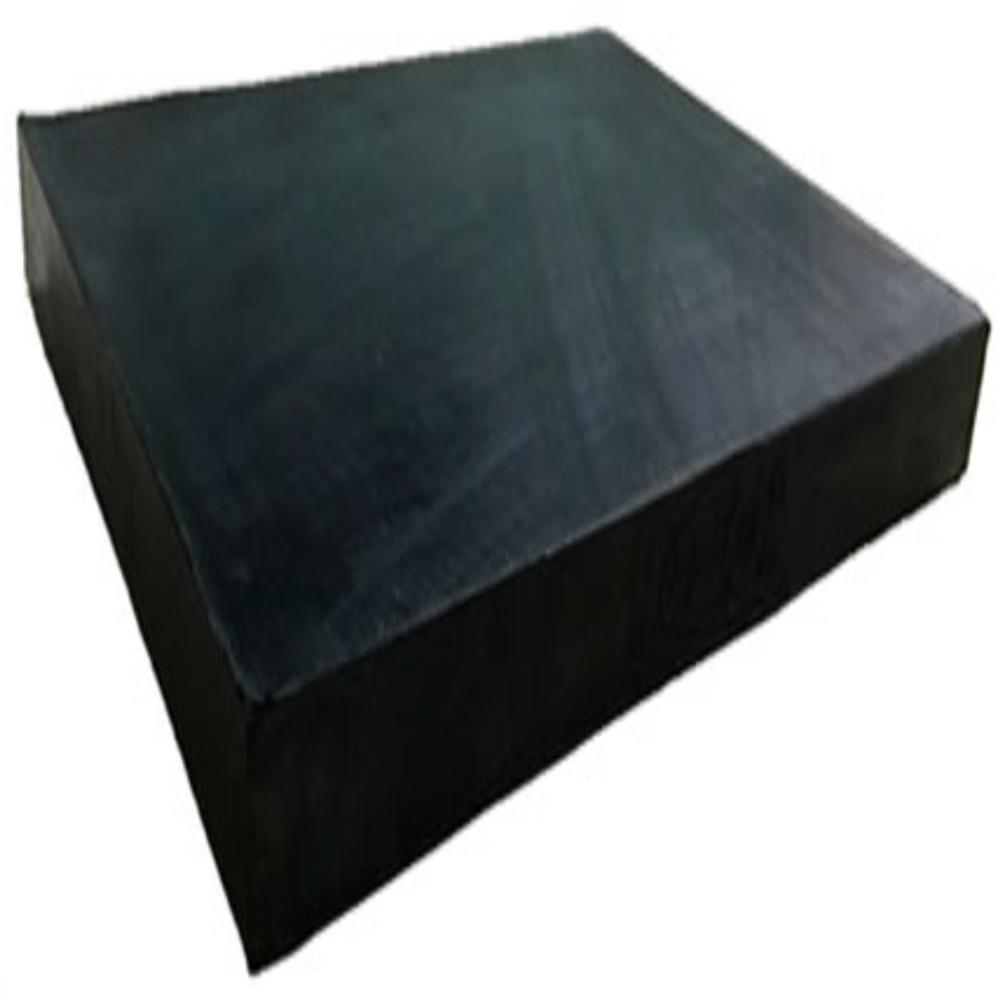
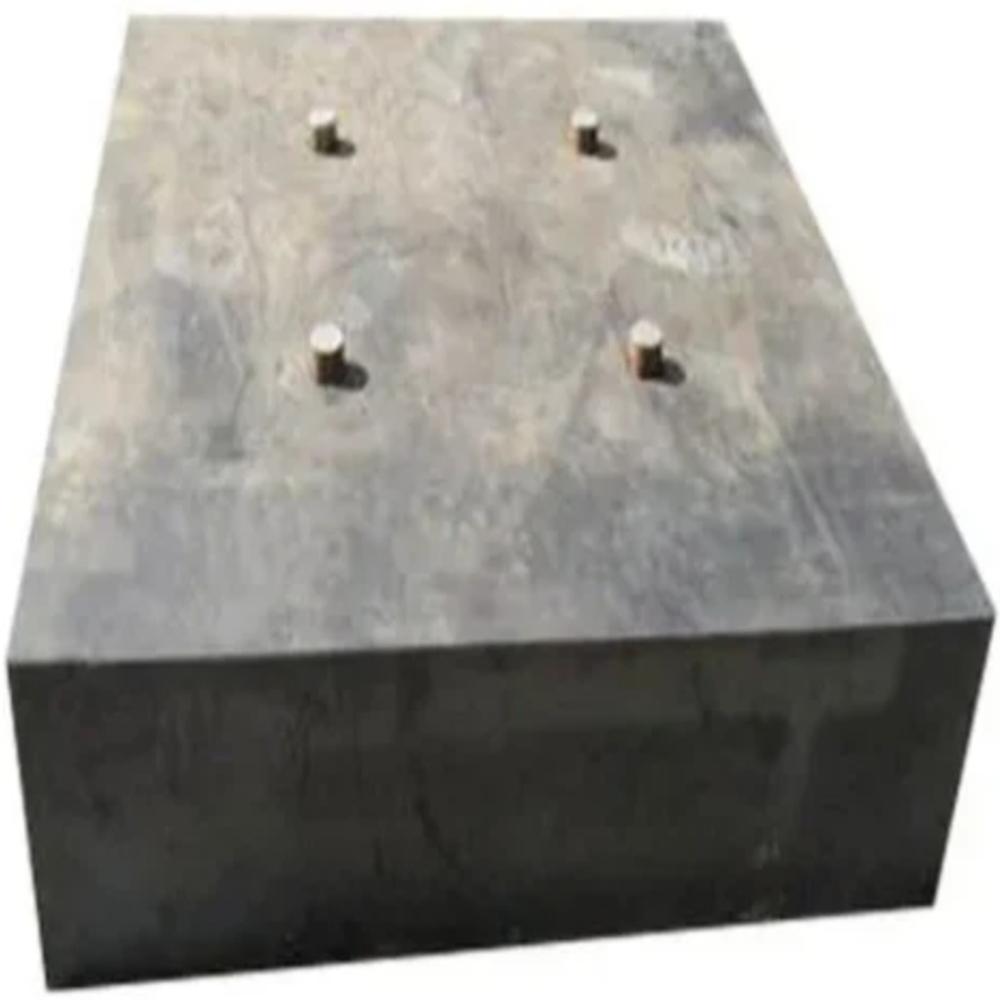
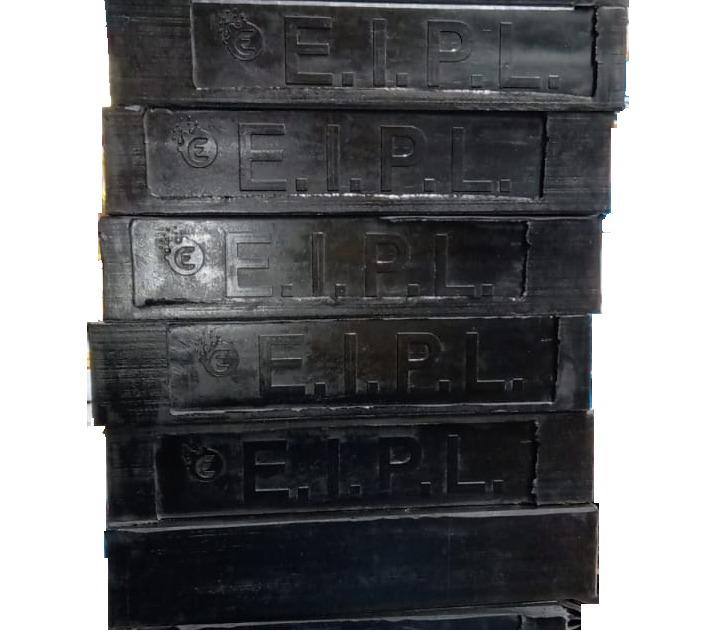
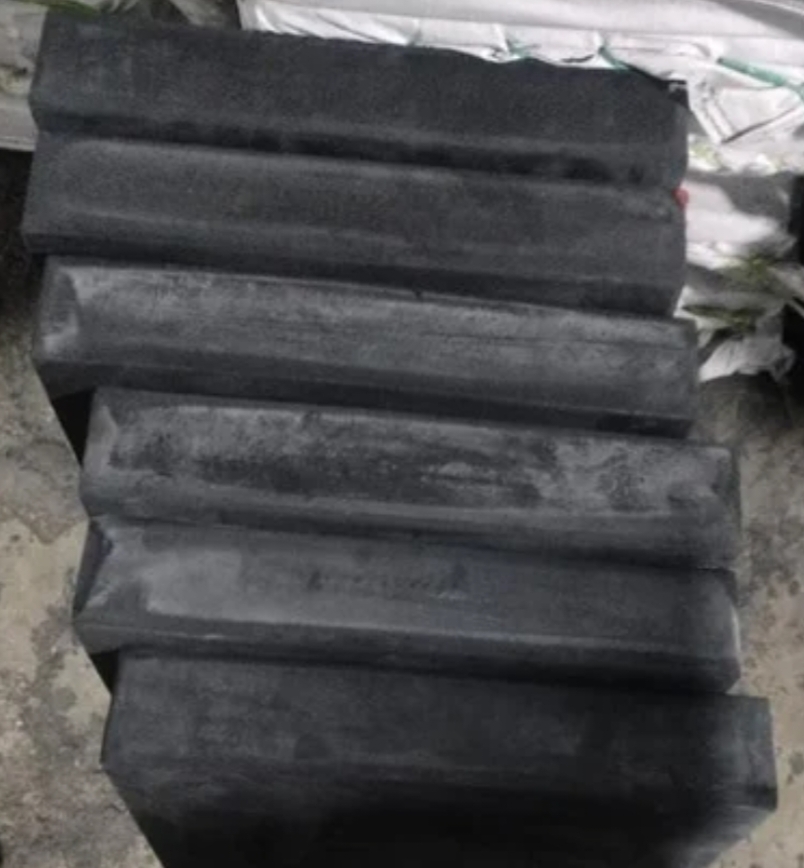
BRIDGE BEARING
Price 3200.0 INR/ Piece
MOQ : 6 Pieces
BRIDGE BEARING Specification
- Material
- Rubber
- Width
- 320 Centimeter (cm)
- Thickness
- 500 Millimeter (mm)
- Weight
- 34 Kilograms (kg)
- Style
- Square
BRIDGE BEARING Trade Information
- Minimum Order Quantity
- 6 Pieces
- Supply Ability
- 100 Pieces Per Month
- Delivery Time
- 7 Days
About BRIDGE BEARING
Bridge pads made of butyl, chlorobutanol, and neoprene are elastomeric and have dimensions of 6 x 12 x 1 inches. Neoprene was a standard pad for bearings and is generally known as elastomeric bearings. Two is the form factor of the pads. This is higher than the minimum of 1.25 according to industry standards. This indicates how stiff the pad is when it is compressed. The ratio is of the area loaded, that is where the pad is pressed, to the area free to bulge. This formula is in Appendix A. If two elastomeric bearings with the same weight pressed by the same compression area and hardness have more room to bulge, then the higher the room to bulge will be the higher the compressing of the pad.The elastomeric bridge bearings tested were two levels of hardness: 60 5, based on Shore A hardness; and 70 5. The butyl and neoprene pads met the requirements of specialization (Appendix B). Although the chloro butyl pad had less tensile strength, it is still doing well under load like the butyl and neoprene pads. It means tensile strength alone cannot be used as a predictor for the good performance of elastomeric bearings in bridges or how long the life of elastomeric bearings might be under real-world conditions, which is excellent for their durability in various applications.
Bridge pads made of butyl, chlorobutanol, and neoprene are elastomeric and have dimensions of 6 x 12 x 1 inches. Neoprene was a standard pad for bearings and is generally known as elastomeric bearings. Two is the form factor of the pads. This is higher than the minimum of 1.25 according to industry standards. This indicates how stiff the pad is when it is compressed. The ratio is of the area loaded, that is where the pad is pressed, to the area free to bulge. This formula is in Appendix A. If two elastomeric bearings with the same weight pressed by the same compression area and hardness have more room to bulge, then the higher the room to bulge will be the higher the compressing of the pad.
The elastomeric bridge bearings tested were two levels of hardness: 60 5, based on Shore A hardness; and 70 5. The butyl and neoprene pads met the requirements of specialization (Appendix B). Although the chloro butyl pad had less tensile strength, it is still doing well under load like the butyl and neoprene pads. It means tensile strength alone cannot be used as a predictor for the good performance of elastomeric bearings in bridges or how long the life of elastomeric bearings might be under real-world conditions, which is excellent for their durability in various applications.
The elastomeric bridge bearings tested were two levels of hardness: 60 5, based on Shore A hardness; and 70 5. The butyl and neoprene pads met the requirements of specialization (Appendix B). Although the chloro butyl pad had less tensile strength, it is still doing well under load like the butyl and neoprene pads. It means tensile strength alone cannot be used as a predictor for the good performance of elastomeric bearings in bridges or how long the life of elastomeric bearings might be under real-world conditions, which is excellent for their durability in various applications.
Precision Manufacturing
Our bridge bearings are manufactured using advanced technology to ensure precise dimensions and superior quality. The use of premium-grade rubber guarantees impressive durability and resilience under load. Rigorous quality checks at every stage result in bearings that meet and exceed industry standards, offering peace of mind for engineers and contractors.
Engineered for Performance
With a remarkable width of 320 centimeters and 500 millimeters thickness, our bearings are designed to accommodate heavy loads and large structural movements. The square shape provides optimal surface contact, distributing forces evenly and enhancing structural integrity. Ideal for various bridge types, our products reliably support demanding infrastructure needs.
Comprehensive Support Across India
As a leading manufacturer, producer, retailer, and supplier in India, we are committed to seamless customer experiences. We offer technical guidance, prompt deliveries, and customized solutions to suit project specifications. With extensive distribution capabilities, we ensure availability and service excellence nationwide.
FAQ's of BRIDGE BEARING:
Q: How is a square bridge bearing manufactured using rubber material?
A: Our square bridge bearings are produced by molding high-quality rubber under controlled temperatures and pressures to achieve precise thickness, width, and optimal elasticity. This process ensures consistent performance and durability, making the bearings suitable for heavy structural use.Q: What are the main benefits of using a rubber bridge bearing with these specifications?
A: Rubber bridge bearings of 320 cm width, 500 mm thickness, and 34 kg weight effectively absorb vibration and shock, allow for controlled movement of bridge spans, and distribute loads evenly. This enhances structural safety, longevity, and reduces maintenance needs.Q: When should you use a bridge bearing of this size and specification?
A: These bearings are ideal in scenarios requiring substantial load distribution and movement absorption, such as in large-span or multi-lane bridges. They are especially suited where bridge piers need reliable separation and movement accommodation.Q: Where are your bridge bearings manufactured and supplied?
A: All our bridge bearings are manufactured at our state-of-the-art facilities in India. We supply these products nationwide, supporting infrastructure projects in various regions across the country.Q: What is the process for ordering custom-sized bridge bearings from your company?
A: Clients can contact our sales team with specific project requirements. We offer consultation, product customization, and supply tailored bearings to fit unique structural needs, ensuring timely delivery and support throughout the project.Q: How should these bridge bearings be installed and maintained?
A: Proper installation involves positioning the bearing between the bridge deck and support structure, ensuring surfaces are clean and level. Regular inspections are recommended to check for wear or displacement. Our team provides technical support for installation and maintenance practices.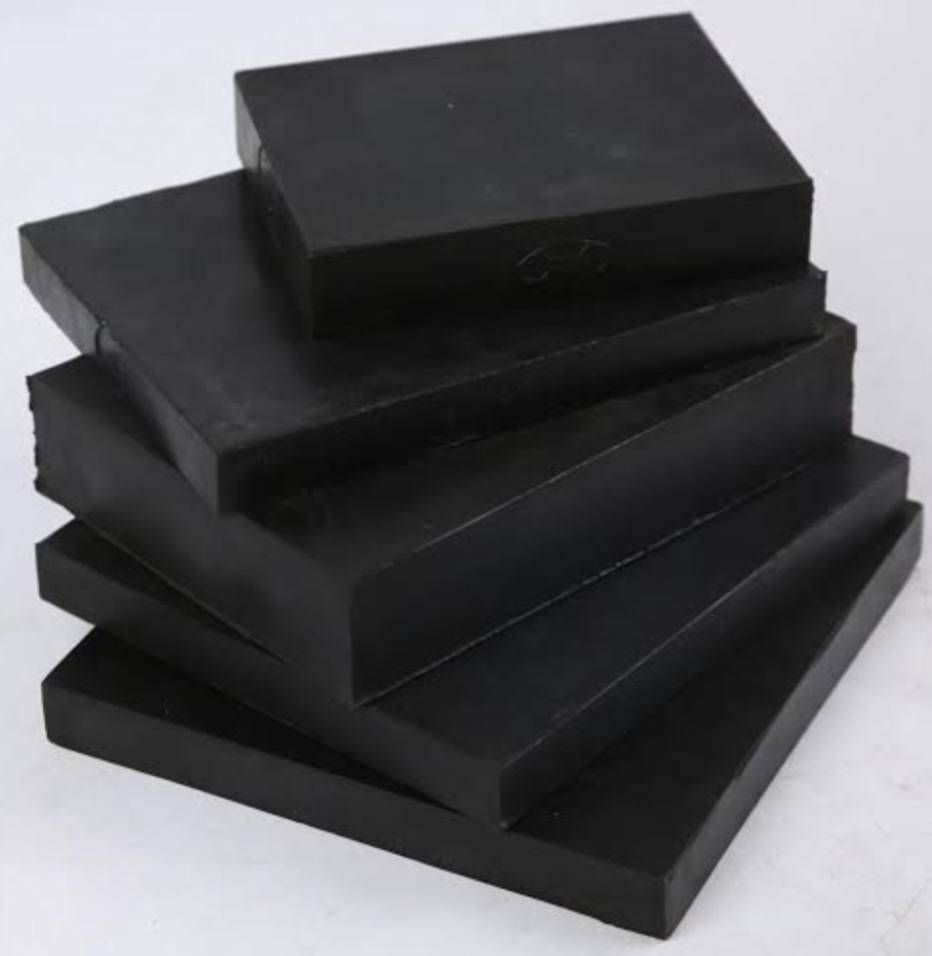
Tell us about your requirement

Price:
Quantity
Select Unit
- 50
- 100
- 200
- 250
- 500
- 1000+
Additional detail
Mobile number
Email

More Products in Elastomeric Bridge Bearing Category
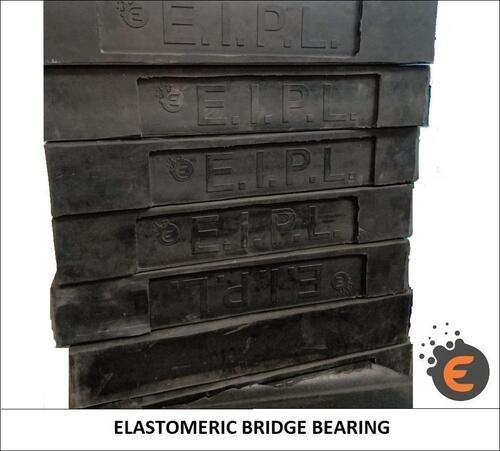
Elastomeric Bearing - Color: Black
Price 2600.0 INR / Piece
Minimum Order Quantity : 10 Pieces
Tensile Strength : 19.25 Megapascals (MPa )
Length : 84 Millimeter (mm)
Hardness : 62A
Product Type : Elastomeric Bridge Bearing

Quick Inquiry


Contact Details
ELASTOMER INDUSTRIES PRIVATE LIMITED
GST : 19AAFCE7684J1ZZ
GST : 19AAFCE7684J1ZZ
B No. 624, Purbasha Complex, Paschim Daspara, Baikunthapur, Kolkata - 700150, West Bengal, India
Phone :07971191579

 Send Inquiry
 |
ELASTOMER INDUSTRIES PRIVATE LIMITED
All Rights Reserved.(Terms of Use) Developed and Managed by Infocom Network Private Limited. |
