



|

 Send Inquiry
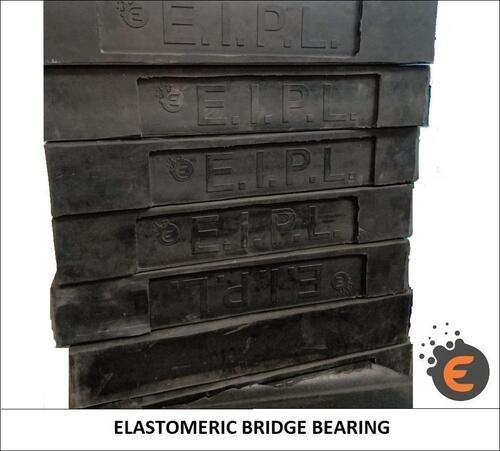
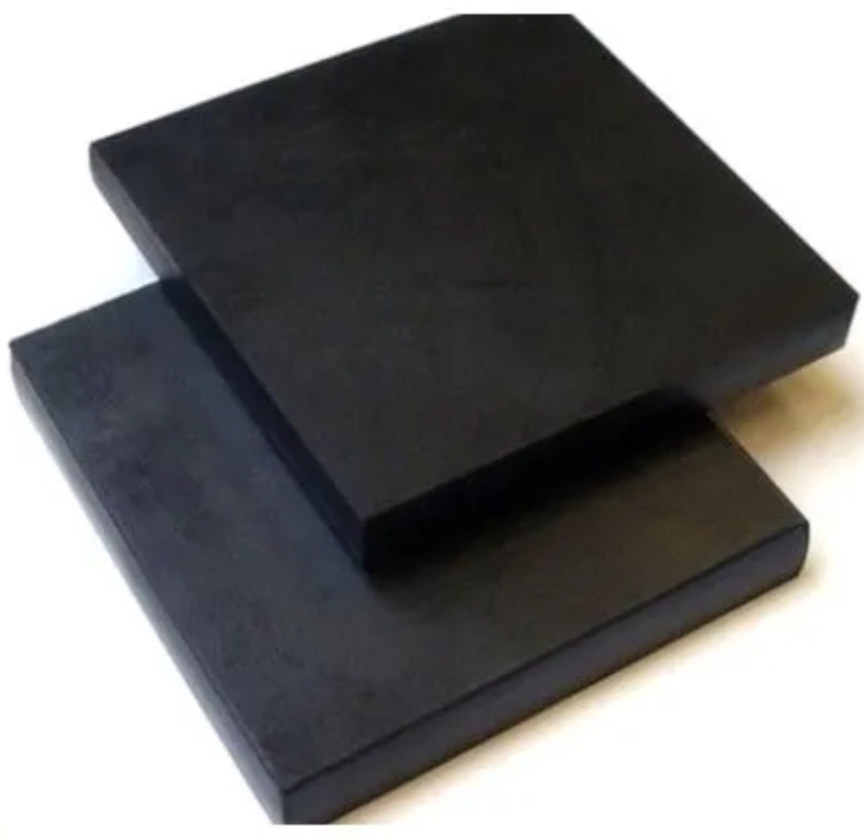
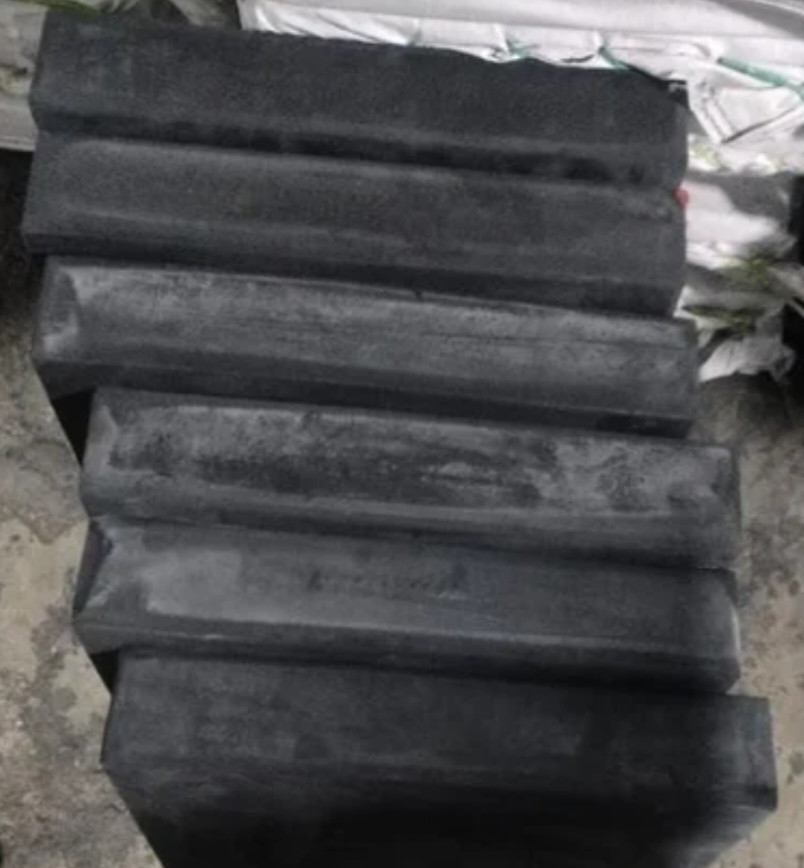
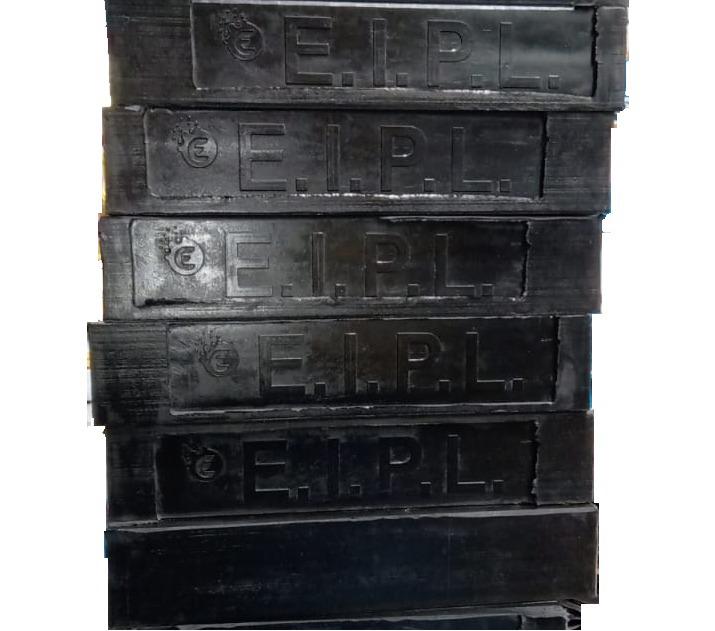
Elastomeric Bridge Bearing Pads
Price 3600.0 INR/ Piece
Elastomeric Bridge Bearing Pads Specification
- Weight
- Varies with size and thickness
- Compression Ratio
- 10% under design loads
- Thickness
- 12 mm to 100 mm or custom
- Part Type
- Polymer Bearing Pad
- Temperature Resistance
- -40C to +70C
- Style
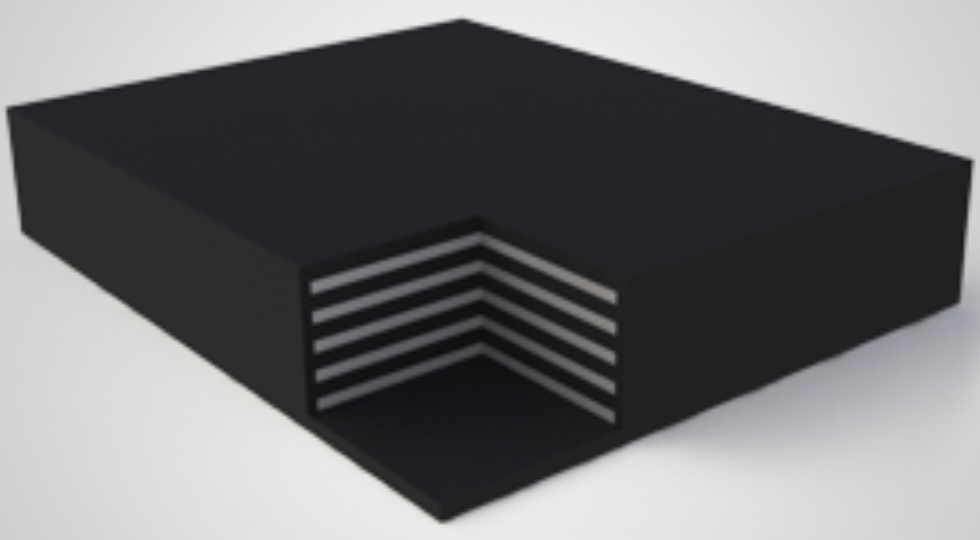
- Laminated and Plain
- Thermal Conductivity
- Low
- Size
- Customized sizes available
- Natural Rubber
- Available (option for Neoprene also)
- Ash %
- <5%
- Resistance level
- High resistance to abrasion, weather, and aging
- Length
- Up to 1000 mm or as per specification
- Surface Finish
- Smooth, Precision Molded
- Usage & Applications
- Used as a load-bearing component in bridges and other structures to absorb movements, vibrations, and rotations, providing support between bridge decks and substructures.
- Hardness
- Shore A 60 5
- Components
- Layers of rubber and steel (laminated type)
- Color
- Black
- Width
- Up to 600 mm or as per requirement
- Tolerance
- 1 mm or as per specification
- Density
- 1.25 Gram per cubic centimeter(g/cm3)
- Product Type
- Elastomeric Bridge Bearing Pad
- Flame Resistance Level
- Meets IS or ASTM standards as applicable
- Water Absorption
- <1% by weight
- Rubber Type
- Natural Rubber (NR) or Neoprene (CR)
- Diameter
- Up to 600 mm (for round pads) or as required
- Feature
- High Flexibility, Weather Resistance, Durable, Maintenance Free
- Tensile Strength
- 16 - 20 MPa (depending on grade)
- Material
- Natural Rubber or Chloroprene Rubber (CR/Neoprene) bonded with steel plates
- Conforming Standards
- IRC:83 (Part II), IS:3400, AASHTO, BS:5400
- Ozone Resistance
- Excellent
- Service Life
- Over 20 years under normal working conditions
- Load Bearing Capacity
- Customized as per design, up to several hundred tons per pad
- Installation
- Simple placement, can be bonded or free-sliding
- Elongation at Break
- >400%
- Impact Resistance
- High
- Shear Modulus
- 0.90 0.02 MPa for NR, 1.0 0.02 MPa for CR
- Storage Recommendation
- Store in cool, dry place away from direct sunlight and chemicals
Elastomeric Bridge Bearing Pads Trade Information
- Minimum Order Quantity
- 6 Pieces
- Supply Ability
- 100 Pieces Per Month
- Delivery Time
- 7 Days
About Elastomeric Bridge Bearing Pads
In the past, the bridge was constructed from stones or wooden elements. Such a structure having this characteristic can be constructed directly onto the supporting members and the floor slab as well. Furthermore, the structure is used by the current civilization without adequate knowledge of the seismic characteristics of the constructions. When new special materials became available, it was necessary to make constructions to protect against earthquakes (in such a way a variety of supports was invented) and now there are many different kinds of bridges.
Elastomeric bearings are used in most of the construction support work, in which they provide concrete support to transfer the load opposite to the ground. The characteristics of this type of bearing combine several materials and construction properties.
The design of elastomeric bearings has been able to take into account adequate pneumatic pressure to support vertical loads and also has sufficient elastic compressibility to accommodate anticipated deformation. Rubber and steel plates are ideal materials for increasing rigidity and flexibility respectively. In that case, the elastomeric bearings can be strengthened with a soft steel inner plate.
Despite high expectations regarding their performance, elastomeric bearings still require proper deployment instructions. As is widely known, the reinforcement structure of elastomeric bearings allows them to operate under loads of up to 3500 nanometers, with displacement equal to 100 mm, and rotation at 0.04 radians, all of them have a common bending nature.
Custom Sizes and Load Capacities
Each elastomeric bearing pad can be tailored to your project's specific width (up to 600 mm), thickness (12-100 mm), diameter (up to 600 mm for round pads), and length (up to 1000 mm). Load capacities are customized for design requirements, ensuring robust support for small and large bridges alike.
Engineered to Endure Extreme Conditions
These pads demonstrate exceptional resistance to ozone, aging, abrasion, flame, and weather, functioning reliably in temperatures ranging from -40C to +70C. With water absorption less than 1% and high impact resistance, they sustain performance under the most demanding conditions.
High Performance and Compliance
Elastomeric bridge bearing pads meet or exceed major international standards, including IRC:83 (Part II), IS:3400, AASHTO, and BS:5400. Their construction ensures a long service life, minimal maintenance, and safe, efficient load transfer in bridge and structural applications.
FAQ's of Elastomeric Bridge Bearing Pads:
Q: How are elastomeric bridge bearing pads installed?
A: Elastomeric bridge bearing pads are installed by simple placement between the bridge deck and the substructure. Depending on design requirements, they can be bonded with suitable adhesives or allowed to move freely (free-sliding type) to accommodate structural movements.Q: What is the primary function and benefit of using elastomeric bridge bearing pads?
A: These pads provide a flexible, durable interface that safely absorbs and disperses structural movements, vibrations, and rotations. The result is reduced stress on bridge components, prolonged structural life, and virtually maintenance-free operation.Q: When should elastomeric bearing pads be used in bridge construction?
A: They should be specified whenever bridges or similar structures require reliable load transfer, movement absorption, and isolation from vibrations. They are suitable for new construction as well as retrofit or rehabilitation projects.Q: Where can these elastomeric bearing pads be utilized besides bridges?
A: While designed primarily for bridges, these bearing pads are ideal for use in industrial platforms, railway structures, buildings with large columns, and heavy equipment installations-anywhere structural movement isolation and load distribution are crucial.Q: What materials are available and which should I choose?
A: Pads are available in Natural Rubber (NR) for environments with lower exposure to petrochemicals and in Chloroprene Rubber (CR/Neoprene) for enhanced resistance to ozone, oil, and temperature extremes. Selection depends on the specific environmental and load requirements of your project.Q: How long do elastomeric bearing pads last, and what maintenance is needed?
A: Under normal working conditions, these pads have a service life of 20 years or more. With high weather and abrasion resistance, as well as minimal water absorption, they require little to no maintenance during their operational lifespan.Q: What is the recommended storage process for these pads before installation?
A: Store elastomeric bearing pads in a cool, dry place away from direct sunlight, chemicals, and excessive heat. Proper storage preserves material properties and performance prior to installation.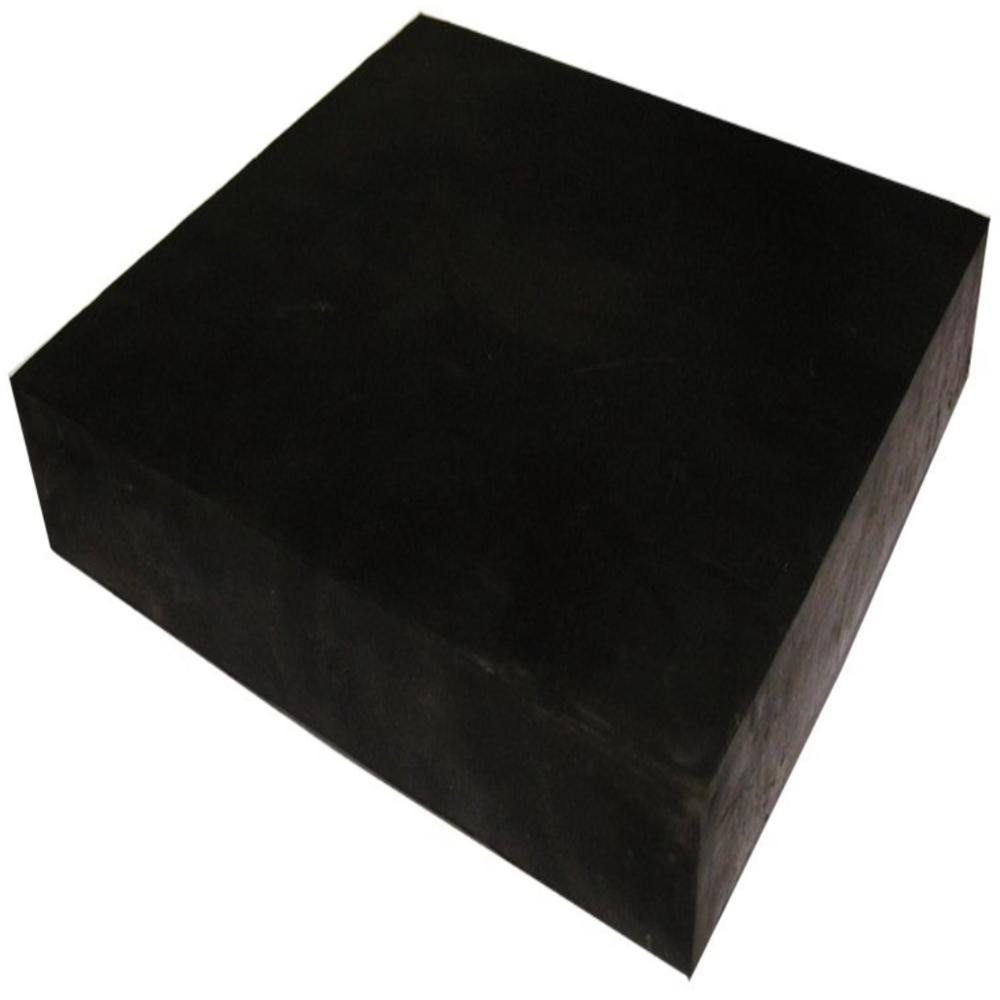

Price:
- 50
- 100
- 200
- 250
- 500
- 1000+

More Products in Rubber Bridge Bearing pads Category
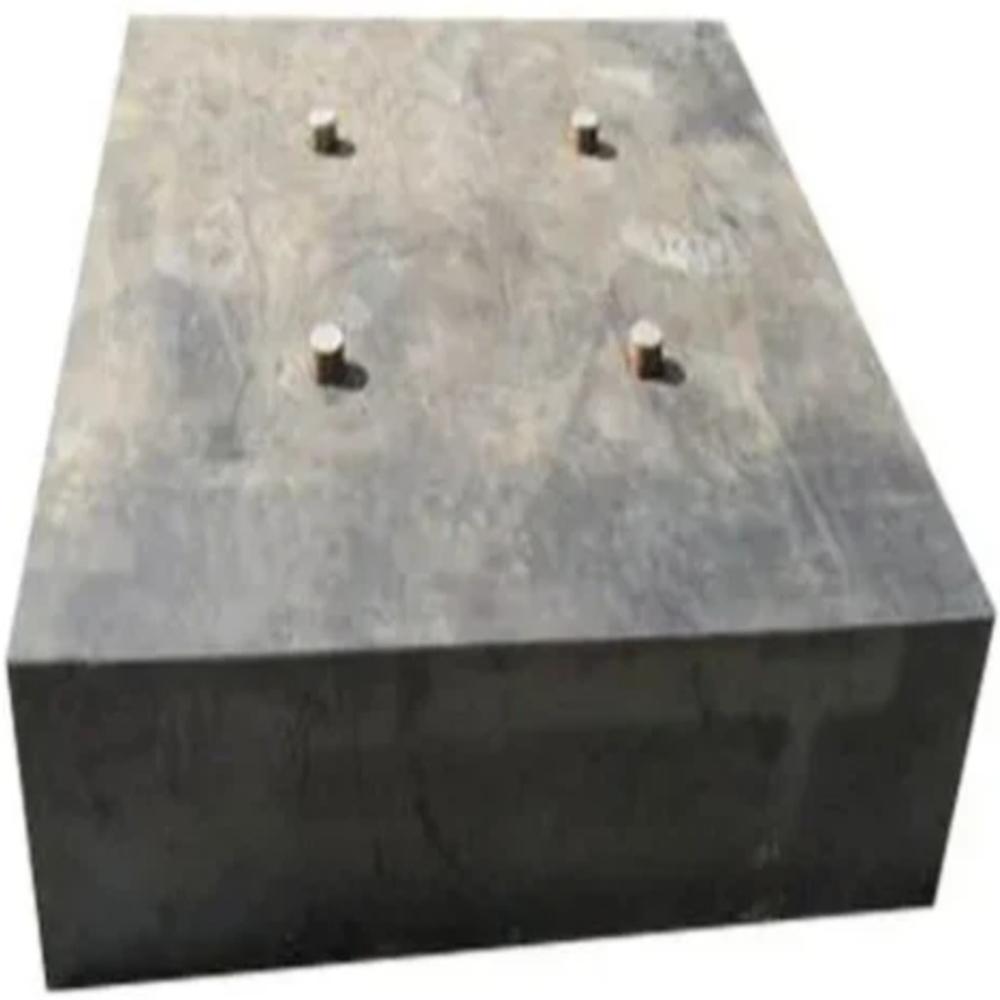
Bridge Bearing Pads
Price 3600.0 INR / Piece
Minimum Order Quantity : 6 Pieces
Ash % : 5%
Natural Rubber : Yes, NR/CR/SBR blend as required
Size : Custom sizes available as per design requirement
Resistance level : Excellent to ozone, weather, and aging
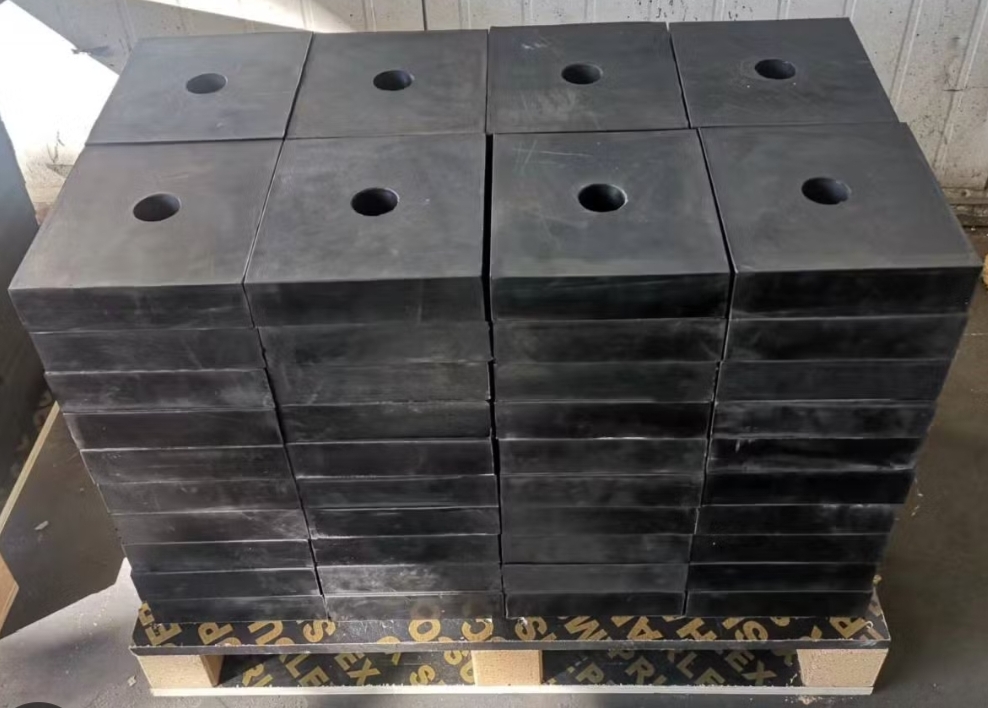
Rubber Bridge Bearing Pads
Price 3600.0 INR / Piece
Minimum Order Quantity : 6 Pieces
Ash % : Less than 5%
Natural Rubber : Yes
Size : As per client specification
Resistance level : Excellent weather and aging resistance




Contact Details
GST : 19AAFCE7684J1ZZ

 Send Inquiry
 |
ELASTOMER INDUSTRIES PRIVATE LIMITED
All Rights Reserved.(Terms of Use) Developed and Managed by Infocom Network Private Limited. |
