



|

 Send Inquiry
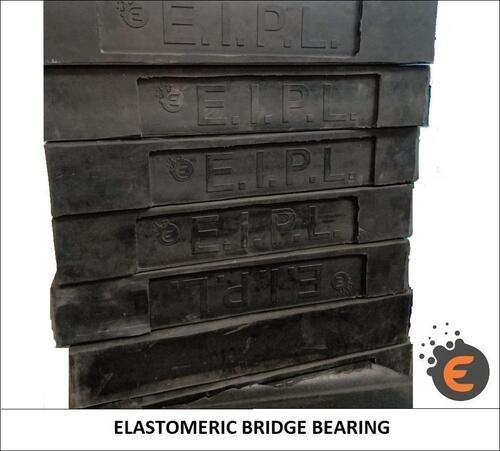
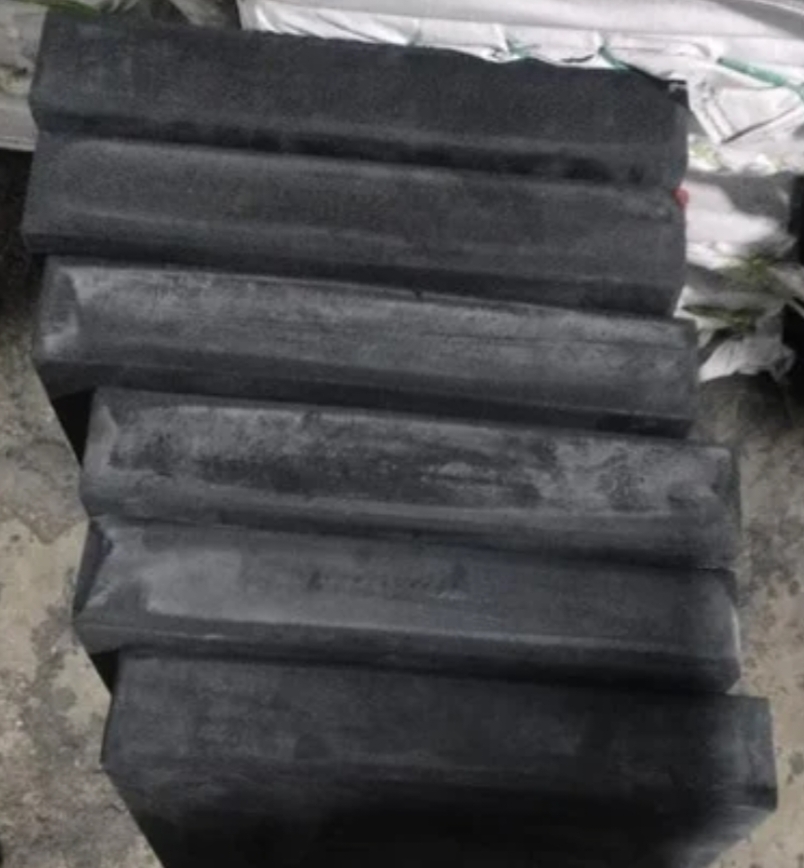
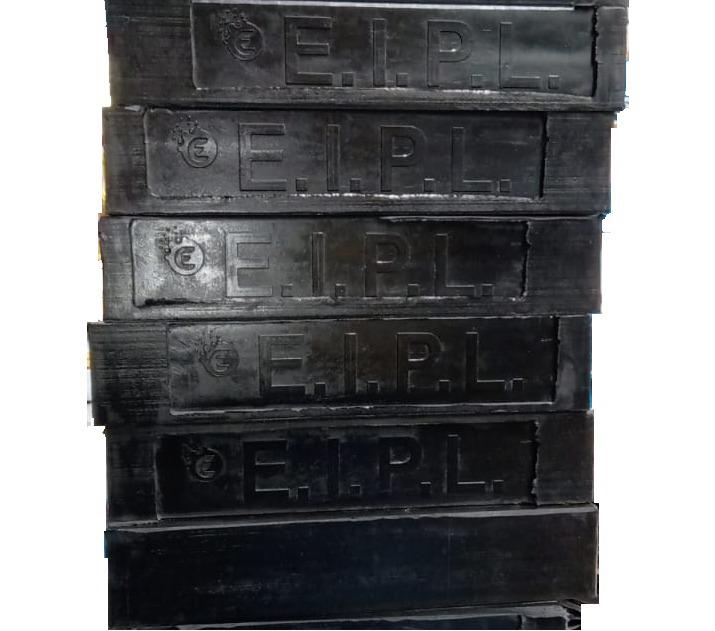
Bridge Bearing Pads
Price 3600.0 INR/ Piece
Bridge Bearing Pads Specification
- Thermal Conductivity
- Low, non-conductive
- Natural Rubber
- Yes, NR/CR/SBR blend as required
- Components
- Rubber pad with/without steel laminations
- Volatile Matter (%)
- 1.5%
- Thickness
- 12 mm to 75 mm
- Compression Ratio
- Up to 12% (as per design)
- Water Absorption
- 0.5%
- Material
- Natural Rubber / Neoprene / Chloroprene Rubber
- Weight
- Varies by size and thickness
- Feature
- High load bearing capacity, high durability, anti-vibration, weather resistance, deformation resistance, maintenance free
- Resistance level
- Excellent to ozone, weather, and aging
- Style
- Rectangular / Circular
- Tensile Strength
- 16 MPa
- Nitrogen Content (%)
- 0.4%
- Length
- Up to 1000 mm (customizable)
- Usage & Applications
- Bridge construction, load transfer in civil structures, vibration and shock absorption, structural isolation in highways and flyovers
- Width
- 150 mm to 500 mm (customizable)
- Hardness
- 60 5 Shore A
- Flame Resistance Level
- Standard grade, flame retardant on request
- Ash %
- 5%
- Part Type
- Structural Support Element
- Color
- Black
- Diameter
- Up to 600 mm
- Tolerance
- 2 mm
- Rubber Type
- Natural Rubber (NR), Chloroprene Rubber (CR), Styrene Butadiene Rubber (SBR)
- Size
- Custom sizes available as per design requirement
- Surface Finish
- Smooth / Textured
- Density
- 1.2 Gram per cubic centimeter(g/cm3)
- Temperature Resistance
- -40C to +70C
- Product Type
- Bridge Bearing Pad
- Elongation at Break
- 350%
- Shear Modulus
- 0.8 MPa to 1.2 MPa
- Maximum Load Capacity
- As per IS/ASTM/MORTH specifications
- Odor
- Odorless or mild rubber smell
- Static Vertical Load Capacity
- Up to 2000 kN or as per requirement
- Packaging Type
- Plastic wrap or wooden crate
- Service Life
- More than 20 years under standard conditions
- Manufacturing Process
- Compression molded and cured
- Texture
- Anti-slip or plain
- Design Standards
- Compliant with IRC:83 (Part II), ASTM D4014, EN 1337-3, AASHTO
Bridge Bearing Pads Trade Information
- Minimum Order Quantity
- 6 Pieces
- Supply Ability
- 100 Pieces Per Month
- Delivery Time
- 7 Week
About Bridge Bearing Pads
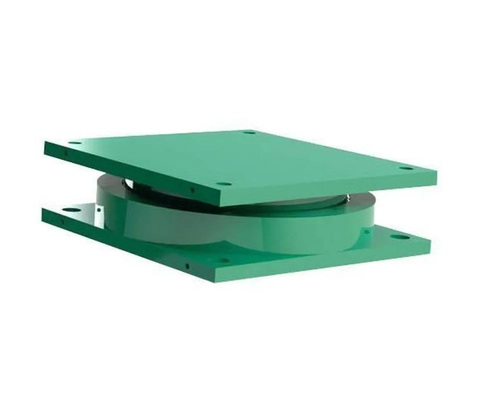
Pre-welded steel plates could be used inside elastomeric bearings for better performance and longer duration. The plates inside the rubber pads provide them with additional strength to prevent their overdrawing when pressed by heavy things such as a bridge. Steel plates also keep bearings in place when they get squished and prevent them from bulging too much.
In the test, there were steel plates sandwiched between the rubber pads and concrete blocks. The pads handle the heavy weight pushing down and handing sideways forces that come through when the bridge expands or contracts. In this manner, the bearing stays strong and balanced, limiting the bending or breaking of the steel plates.
Designing elastomeric bridge bearings requires different materials and configurations for optimal performance and long life. Among them, the incorporation of steel plates holds a special significance. For reinforcement of the rubber pads, these plates strengthen and stiffen such bearings to negotiate dynamically applied loads and movements in structural applications. The reason behind the use of those steel plates must first be understood to appreciate the overall functioning and reliability of elastomeric bearings used in the construction structure.
Engineered for Structural Excellence
Our bridge bearing pads are specially designed to ensure optimal load transfer and structural stability in bridges and civil structures. Manufactured using NR/CR/SBR blends, they provide high deformation resistance and are maintenance free, making them a reliable choice for long-term infrastructure projects.
Customizable for Every Project
Available in various sizes, thicknesses, and shapes, our bearing pads easily integrate into any bridge or civil engineering design. Options like anti-slip or plain textures, and black, smooth or textured surfaces, cater to diverse specifications. Each pad can be tailored to your unique application, ensuring a precise fit.
Advanced Weather and Aging Resistance
Our pads feature excellent resistance to ozone, weathering, and aging, making them suitable for extreme conditions. The materials used provide low water absorption, thermal stability between -40C to +70C, and flame resistance options. This durability assures consistent performance over decades, with minimal maintenance.
FAQ's of Bridge Bearing Pads:
Q: How are bridge bearing pads installed in a structure?
A: Bridge bearing pads are positioned between the superstructure and substructure of bridges or civil structures, typically resting on abutments or piers. Installation is performed according to the project's specific drawings and design standards, ensuring even load distribution and proper alignment. Professional installation ensures maximum performance and safety.Q: What benefits do these pads offer over traditional support methods?
A: These pads provide advanced vibration and shock absorption, minimize structural deformation, and offer exceptional weather resistance. Their maintenance-free nature, long service life, and compliance with major international standards make them a cost-effective, reliable solution for bridge and highway projects.Q: When should a bearing pad be replaced or maintained?
A: Under standard conditions, these bearing pads have a service life exceeding 20 years. They should be inspected during routine bridge maintenance. Replacement may be needed if there is visible damage, excessive wear, or compromised load transfer due to aging or unforeseen incidents.Q: Where can these bearing pads be used besides bridge construction?
A: In addition to bridges, these pads are suitable for a wide range of civil structures needing vibration damping and structural isolation, such as flyovers, highways, industrial platforms, and equipment foundations. Their robust design suits various load transfer and isolation applications.Q: What materials are used in the manufacture of these pads?
A: These bearing pads are manufactured using high-quality Natural Rubber (NR), Neoprene (CR), or Styrene Butadiene Rubber (SBR) blends, depending on project requirements. Some variants include steel laminations to increase load capacity and durability as per design.Q: How does the manufacturing process ensure pad quality?
A: Pads are compression molded and cured to achieve uniform density, high tensile strength, and precise dimensions. This process, combined with quality raw materials and adherence to standards like IRC:83 (Part II) and ASTM D4014, guarantees each pad meets demanding structural requirements.Q: What customization options are available for these pads?
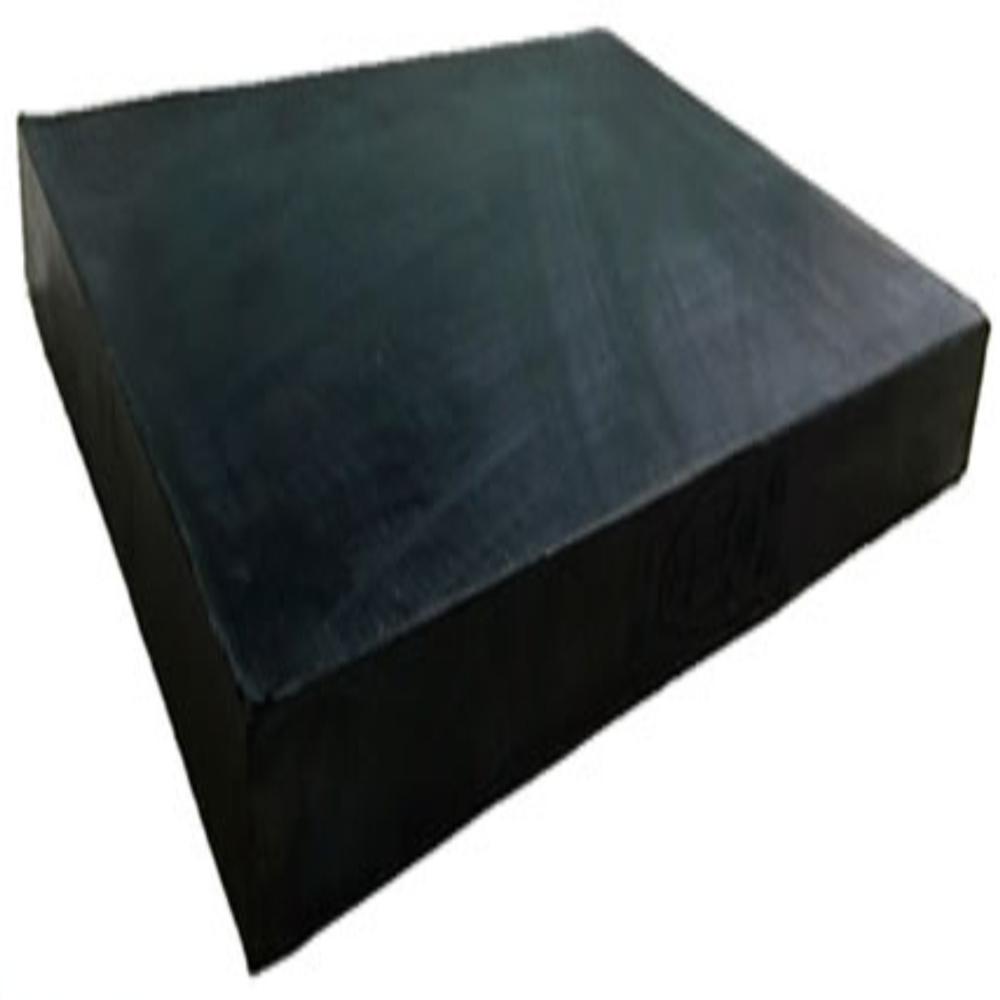
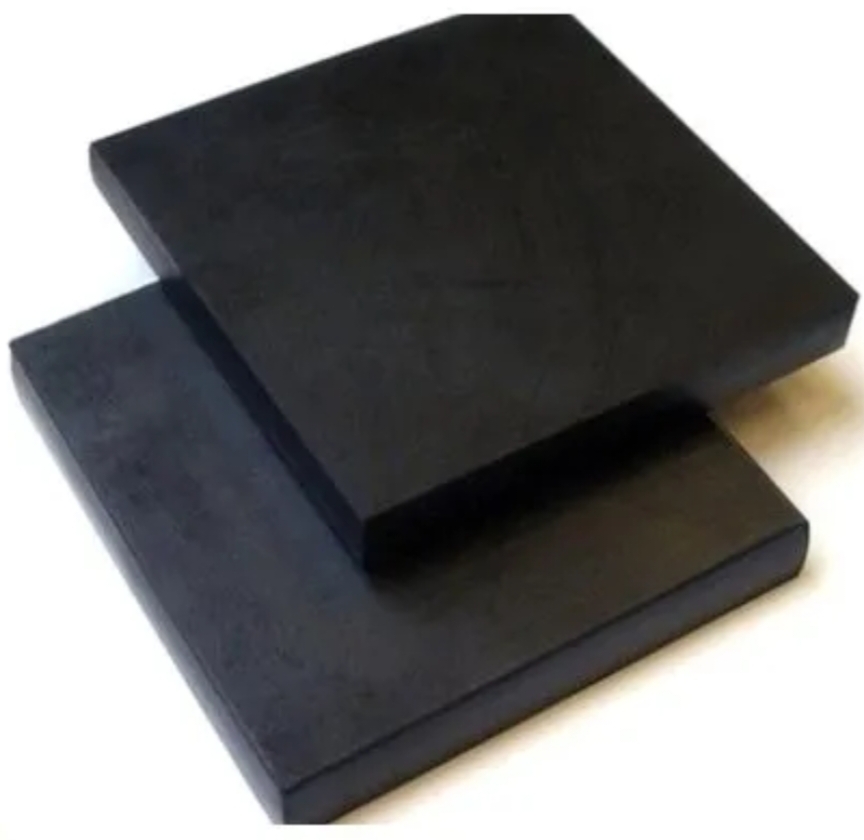
A: Pads can be tailored in terms of shape (rectangular/circular), size (150-500 mm width, up to 600 mm diameter, and up to 1000 mm length), thickness (12-75 mm), and surface texture (anti-slip or plain). Special compounds and steel laminations can be incorporated based on project needs or regulatory requirements.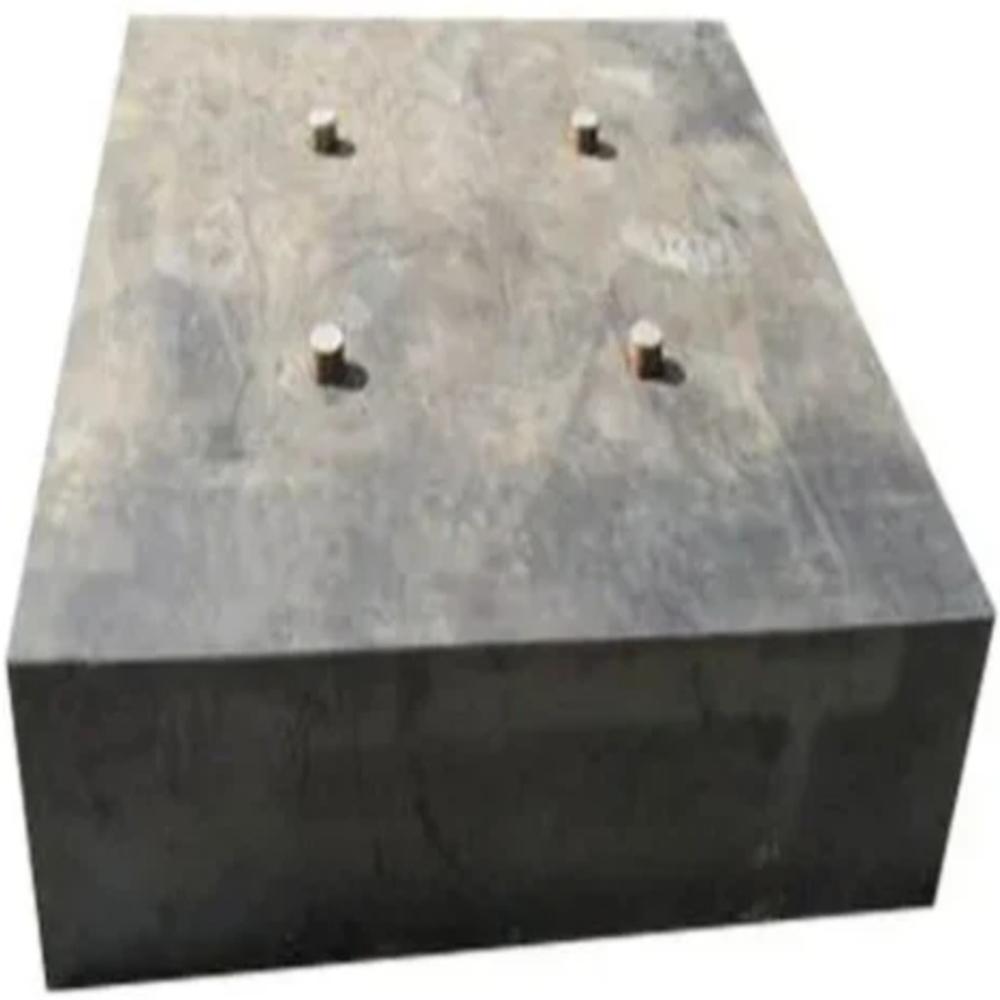

Price:
- 50
- 100
- 200
- 250
- 500
- 1000+

More Products in Rubber Bridge Bearing pads Category
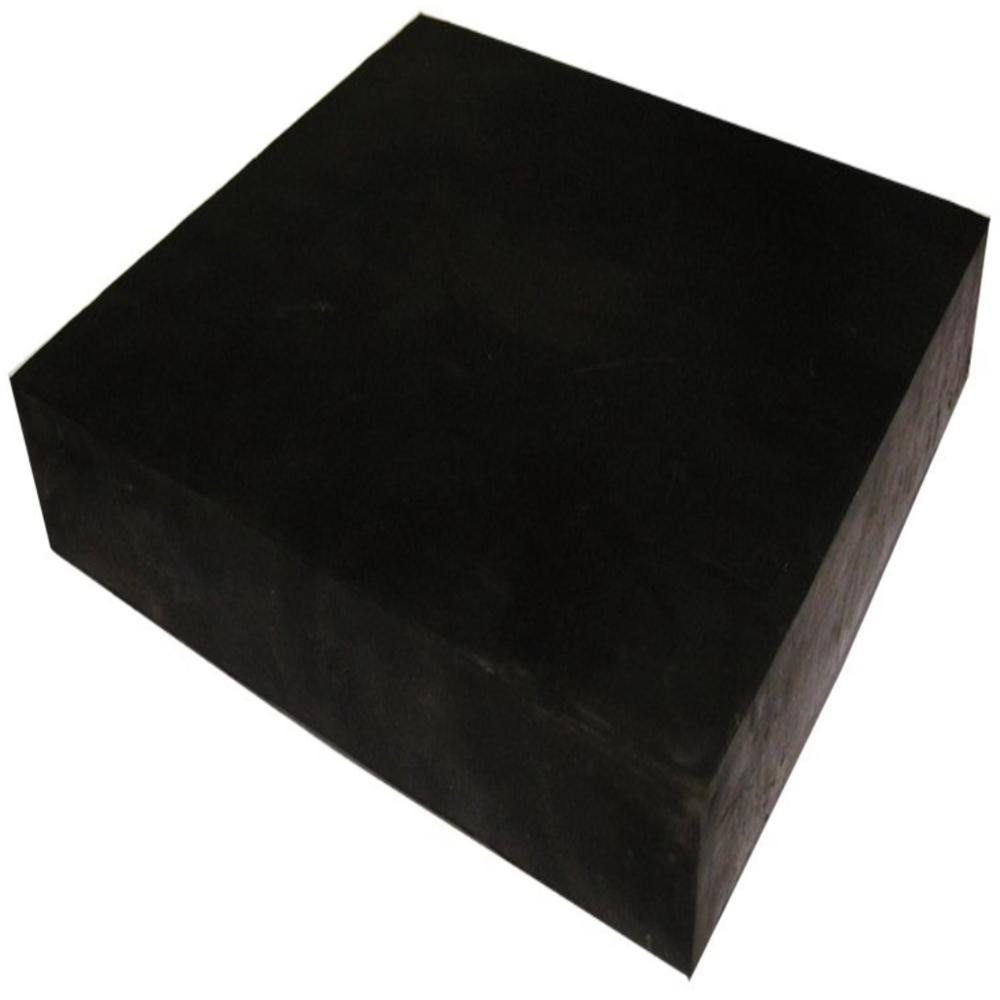
Elastomeric Bridge Bearing Pads
Price 3600.0 INR / Piece
Minimum Order Quantity : 6 Pieces
Flame Resistance Level : Meets IS or ASTM standards as applicable
Part Type : Polymer Bearing Pad
Ash % : <5%
Usage & Applications : Used as a loadbearing component in bridges and other structures to absorb movements, vibrations, and rotations, providing support between bridge decks and substructures.
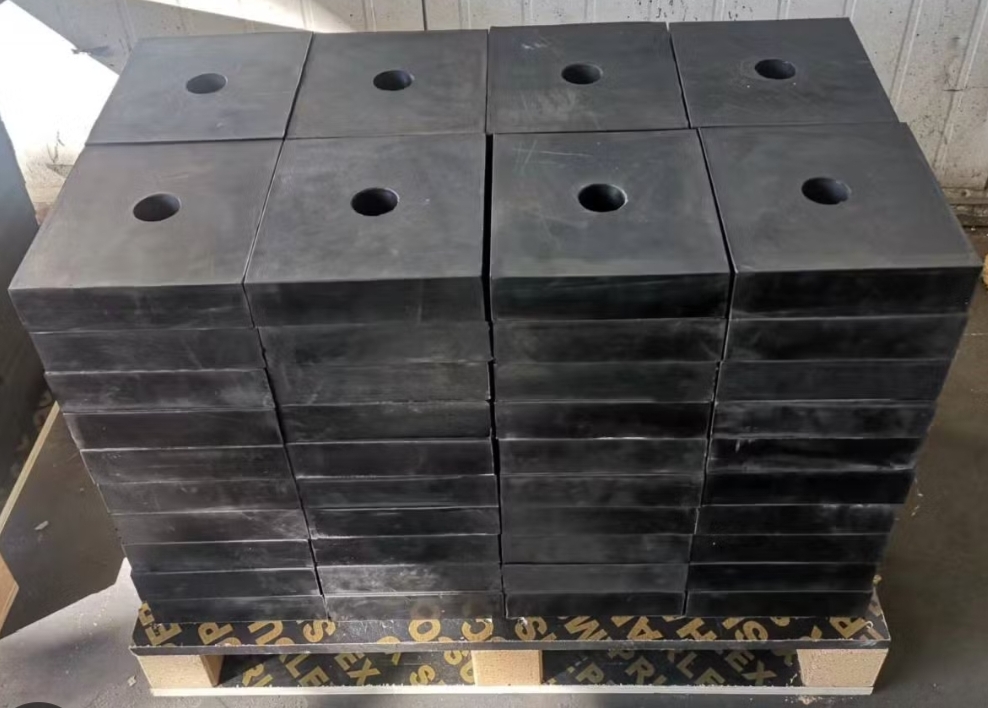
Rubber Bridge Bearing Pads
Price 3600.0 INR / Piece
Minimum Order Quantity : 6 Pieces
Flame Resistance Level : Not flame resistant
Part Type : Bridge Bearing
Ash % : Less than 5%
Usage & Applications : Bridge construction, vibration isolation, structural expansion joints




Contact Details
GST : 19AAFCE7684J1ZZ

 Send Inquiry
 |
ELASTOMER INDUSTRIES PRIVATE LIMITED
All Rights Reserved.(Terms of Use) Developed and Managed by Infocom Network Private Limited. |
